

Casino slot machines deliberately employ vibrant visual designs and dynamic audio systems to create immersive gaming environments that capture player attention and maintain engagement throughout gaming sessions. These carefully crafted sensory experiences trigger specific psychological responses that enhance entertainment value while encouraging continued play. Free Credit RM50 No Deposit works seamlessly alongside advanced sound design and visual psychology to recreate authentic gaming atmospheres.
The science behind color psychology reveals why slot designers favor bright, saturated hues over muted tones in their visual presentations. Vivid reds stimulate excitement and urgency, while electric blues convey trust and reliability. Golden yellows trigger associations with wealth and success, making them ideal for highlighting winning combinations and jackpot displays. These color choices aren’t arbitrary aesthetic decisions but calculated psychological tools that influence player emotions and behavior patterns. Sound design is crucial in maintaining player engagement through carefully orchestrated audio landscapes, complementing visual elements. Celebratory jingles, rhythmic chimes, and crescendo effects create emotional peaks during winning events while ambient background sounds maintain engagement during standard gameplay. These audio elements follow musical principles that naturally attract human attention, utilizing frequencies and patterns that the brain finds inherently appealing.
The combination of bright colours and dynamic sounds creates what psychologists call “flow state” conditions, where players become entirely absorbed in the gaming experience. This immersive state occurs when sensory input overwhelms normal cognitive processes, allowing players to enter a trance-like focus that diminishes awareness of time passage and external distractions. Slot designers specifically engineer their games to facilitate these flow states through sensory overload techniques. Marketing research reveals that players subconsciously associate bright, energetic presentations with excitement and potential rewards. Games featuring muted colors and minimal audio effects often struggle to maintain player interest compared to their more vibrant counterparts. The entertainment industry has long understood that sensory intensity correlates directly with audience engagement levels, a principle that casino designers have adapted for gaming applications.
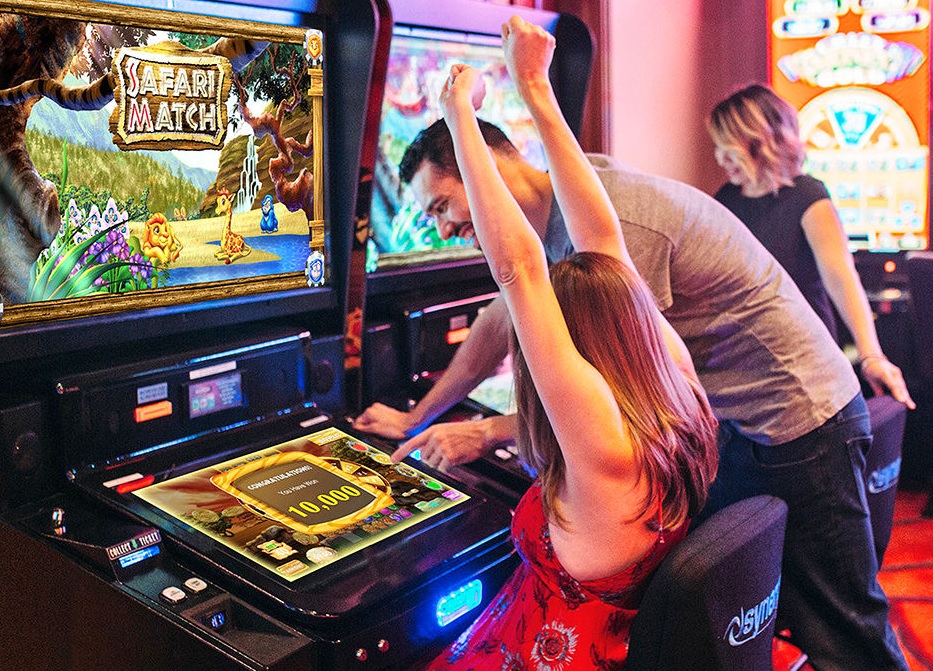
The instant gratification of bright visual feedback and celebratory sounds satisfies fundamental human psychological needs for immediate reward recognition. When players achieve winning combinations, the explosive presentation of colors and sounds provides immediate satisfaction that validates their gaming choices. This positive reinforcement encourages continued play by creating an expectation for future similar experiences. Advanced slot designs incorporate progressive intensity systems where visual and audio presentations become more elaborate as win values increase. Small wins receive modest celebrations, while larger payouts trigger spectacular presentations featuring multiple colors, complex animations, and extended audio sequences. This graduated reward system maintains player interest across different win levels while building anticipation for increasingly impressive presentations.
Modern game designers also manipulate color temperature and audio frequency to influence player arousal levels throughout gaming sessions. Warm colors and higher frequencies create excitement during bonus rounds, while cooler tones and lower frequencies provide calming influences during standard play. These subtle manipulations help regulate player emotional states to maintain optimal engagement levels. Casino slots use bright colors and sounds because these elements create powerful psychological effects that enhance player engagement, trigger neurological reward responses, compete effectively for attention, provide instant gratification, and exploit fundamental human attraction patterns. These design choices represent sophisticated psychology and neuroscience research applications aimed at creating maximally engaging entertainment experiences.

Comments are closed.